By Michelle Wolf
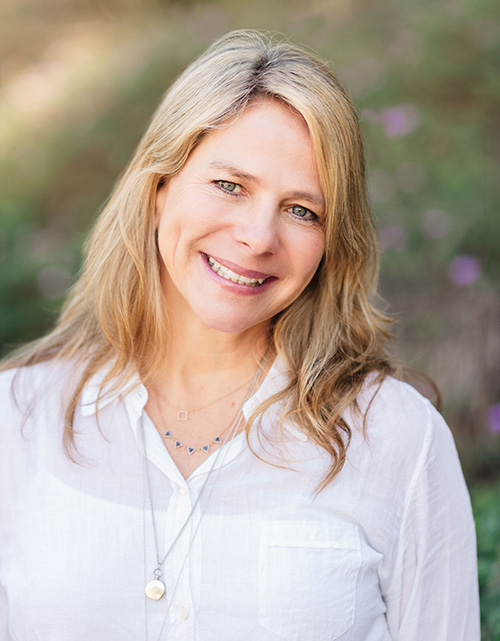
One of the best things about us, as women, is our ability to unite together as a community. Call it what you want; Boss Babes, or Girl Gang. Regardless, we can join together to help each other rise up against any adversity (big or small) that might come our way. And you all know I LOVE community, it’s one of my core values!
Becoming a Mother and having my own family is something I am deeply passionate about. Oh; how I longed to be a mom, I tried for three long hard and rewarding years to get pregnant and was devastated by the idea that one of my life-long dreams might not be fulfilled. If I look back on my life as a child the one thing I knew I wanted was to be a mom. I saw it as the most important job so much so that I chose to leave my job in marketing climbing the corporate ladder in hopes to find more balance. No matter how hard I tried to solve the mystery of fertility, it was the first time in my life no matter how hard I worked I could not control the outcome. A great lesson in life of doing vs. being. While science played a role, faith, fate and believing it led my heart to my beautiful girls.
 By Gina Katz
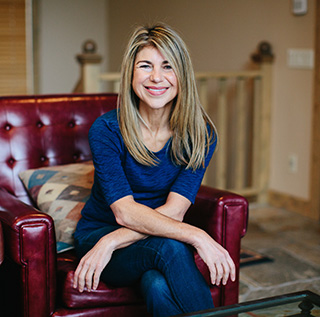
 When schools closed across the country in lieu of the COVID-19 pandemic in the spring, we found ourselves in a strange situation but we all tried to make the best in our “once in a lifetime” situation at home with our kids.
 When I was in college, I had no money to spare. I quickly recognized how much money it took to fill my gas tank, and how many miles I could drive until I was empty. I was also keenly aware that Betsy, my 1988 Ford Escort, could drive for 7 miles after she hit empty. I sometimes parked my car 3-4 miles away from my apartment or from my job, or campus, and I would walk to my destination. This was not a good decision for the overall maintenance of my car, and I often drove on empty. I found myself praying that I could get to the gas station if I was approaching 7 miles past empty.
 Social media has grown to become a toxic environment for young generations, perpetuating narrow ideals. Unfortunately, this further institutes unattainable standards that lead impressionable individuals to manipulate their bodies to fit these “perfect” expectations. In effect, promoting edited images has produced a spike in concerns over body image and weight, forming a direct link to anxiety, eating disorders, and depression among social media users. This is a serious problem. If left unsolved, people will continue to alter their bodies in an unhealthy manner to reach an archetype that simply doesn’t exist. In order to eliminate this destructive cycle, Hunger for Awareness aims to have every person’s voice heard through normalizing discussion about these personal issues.
  First of all, and most importantly, I hope everyone is healthy and keeping safe. As you may have heard, an increasing number of colleges are changing their admission requirements to “test optional” (regarding the SAT/ACT). Many of our clients have been asking about how this may impact their own SAT/ACT planning. I hope the following information answers the common questions.